
Polk County Probate Court Role
Probate in Polk County is handled by the Clerk of Superior Court, not by a separate probate court. The North Carolina estates help topic states that the elected Clerk of Superior Court in each county acts as the probate judge. Elected clerks and assistant clerks hold most estate hearings and preside over most estate cases. If the validity of a will is challenged through a caveat, the matter is heard by a Superior Court judge.
That structure affects where records are found. Routine probate records, estate files, letters testamentary, letters of administration, inventories, and filings are clerk records. A contested caveat can create a Superior Court record. The same courthouse also supports public terminal access and paper file access for court matters.
The manifest source is the North Carolina estates help topic.
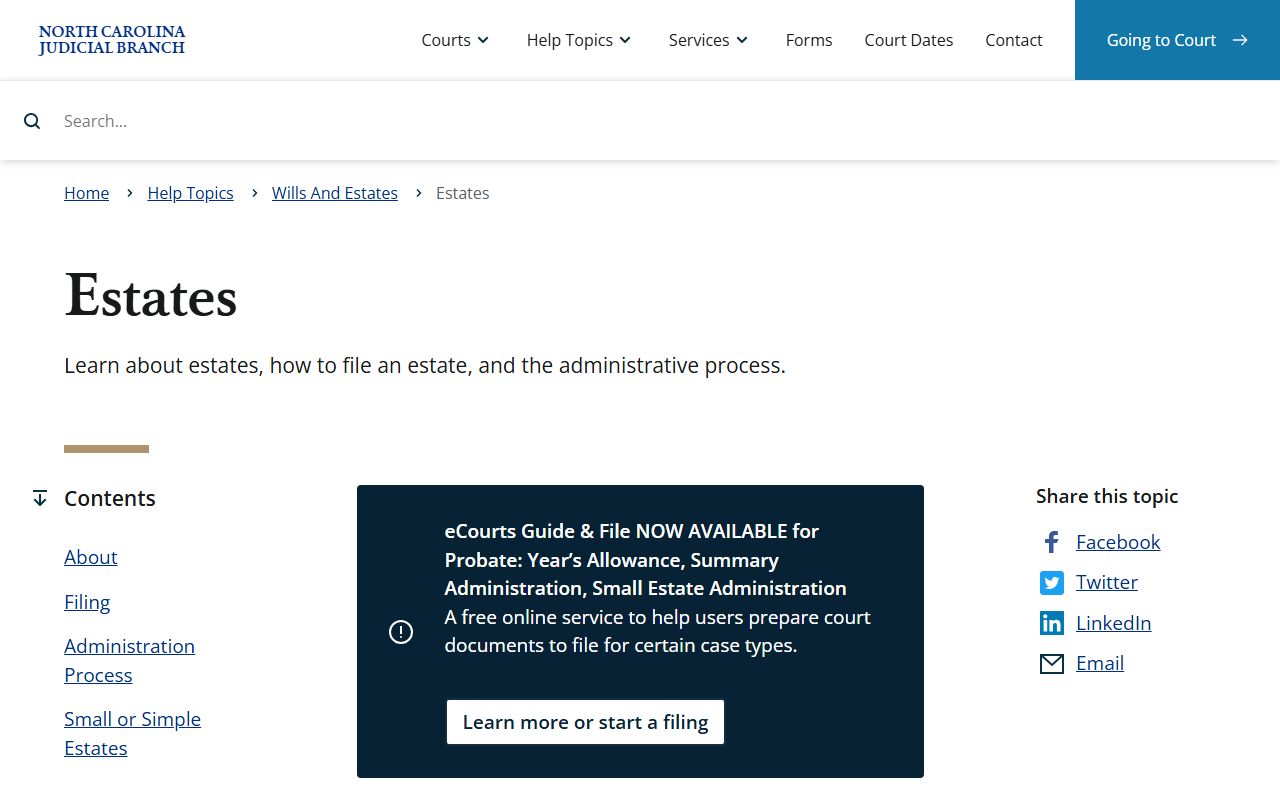
Use the state estates source for the Clerk's probate role, estate terms, and filing steps.
Polk County Probate Contact
The probate contact point is the Clerk of Superior Court at the Polk County Courthouse. The courthouse is located at One Courthouse Square, Columbus, NC 28722. The mailing address is Polk County Courthouse, PO Box 38, Columbus, NC 28722. The official courthouse hours are Monday through Friday, 8:00 AM to 5:00 PM, and the Clerk of Superior Court phone is (828) 894-4900.
Clerk of Superior Court as Ex Officio Judge of Probate
One Courthouse Square
Columbus, NC 28722
(828) 894-4900
Monday-Friday, 8:00 AM-5:00 PM
Polk County Probate Records
Probate can mean estate administration generally or the act of deciding whether a will is valid to pass title. Polk County estate records can involve probating a will, opening an estate, appointing an executor or administrator, issuing letters, identifying assets, giving notice to creditors, paying valid debts, and distributing property to devisees or heirs. Some small estate, summary administration, and year's allowance filings may also be available through the clerk process.
- Will filing: the original will is submitted so the clerk can determine whether it should be admitted.
- Estate opening: an estate file is created when administration is needed.
- Letters: letters testamentary or letters of administration show authority to act for the estate.
- Inventory and accountings: filings may identify estate assets and administration activity.
- Caveat: a challenge to will validity that is heard by a Superior Court judge.
Polk County Probate Terms
Estate records use terms that can be confusing if the reader is only trying to locate a will or certified letter. These definitions use the North Carolina estates research and keep the terms tied to Polk County clerk practice.
- Testator
- The person who made a will.
- Executor
- The person named in a will to carry out estate administration.
- Administrator
- The person appointed when there is no qualifying executor or no valid will naming one.
- Intestate
- Dying without a valid will.
- Letters testamentary
- A clerk-issued document showing an executor's authority.
- Letters of administration
- A clerk-issued document showing an administrator's authority.
- Guardianship
- A clerk-handled protective proceeding that is separate from routine decedent estate administration.
- Conservatorship
- A protective property-management concept often discussed with guardianship, though North Carolina clerk terminology should be checked for the exact filing type.
Start Polk County Estate Administration
For a North Carolina resident, the estate is administered in the county where the decedent was domiciled at death. For a Polk County estate, gather the key documents before going to the clerk. The Judicial Branch estates page says wills may be kept in safes, safe deposit boxes, locked drawers, with attorneys, or deposited with a clerk for safekeeping.
- Determine the proper county based on the decedent's domicile at death.
- Locate the original will, if one exists.
- Obtain a certified death certificate.
- Locate and identify estate assets.
- Contact the Polk County Clerk of Superior Court before filing if records or forms are unclear.
- Bring the will, certified death certificate, application, preliminary inventory, and filing fee.
- Ask the clerk about letters testamentary or letters of administration if authority to act is needed.
Polk County Probate Filing Fee
The state estates source gives the key estate filing fee identified in the research. Other copy charges, bond-related costs, publication costs, or later estate fees may depend on the filing and should be confirmed with the Clerk of Superior Court.
| Item | Amount / Note |
|---|---|
| Apply for letters | $120 |
| Filed will copy | Request through the Clerk of Superior Court for applicable copy fee. |
| Certified estate copy | Confirm current certification and page charges with the Clerk. |
| Guide & File probate options | Available for year's allowance, summary administration, and small estate administration. |
Search Polk County Probate Records
Online probate search begins with the NC eCourts Portal. The Portal training source says Smart Search has advanced filtering options for Civil Actions, Special Proceedings, nonconfidential Special Proceedings, Estates, and Criminal Actions. Search Hearings includes "Probate or Mental Health" as a hearing type and can show Polk locations such as the Clerk's Conference Room, courthouse courtrooms, magistrate office, and remote or Webex entries when applicable.
For a filed will, certified copy, letters, inventory, or complete estate file, contact the Clerk of Superior Court. The Judicial Branch states that filed wills become public records after the decedent's death and can be viewed or requested for a fee. Guide & File can help with specific probate filings, but it does not replace clerk review of the estate file.
| Field / Record Type | Expected Source | Access Note |
|---|---|---|
| Decedent name | Estate file / Portal | Public unless restricted. |
| Estate case number | Portal / clerk | Enterprise Justice format. |
| Will filed | Clerk file | Public after death if filed. |
| Personal representative | Letters / file | Executor or administrator. |
| Letters testamentary / administration | Clerk-issued document | Copy through clerk. |
| Preliminary inventory | Estate filing | May be in file. |
| Creditor notice | Estate administration | Public notice process. |
| Inventory/accountings | Estate file | Access through clerk unless restricted. |
| Caveat | Superior Court | Contested will validity matter. |
Polk County Probate Public Access
Probate files are court records, but public access is not unlimited. Routine filed wills and estate papers may be open after death, while some guardianship, juvenile, mental health, sealed, or protected materials can be restricted. The public records source tied to G.S. 132-6.2 explains that agencies are not required to create or compile a record that does not exist.
The manifest source is G.S. 132-6.2 on public record copies and fees.
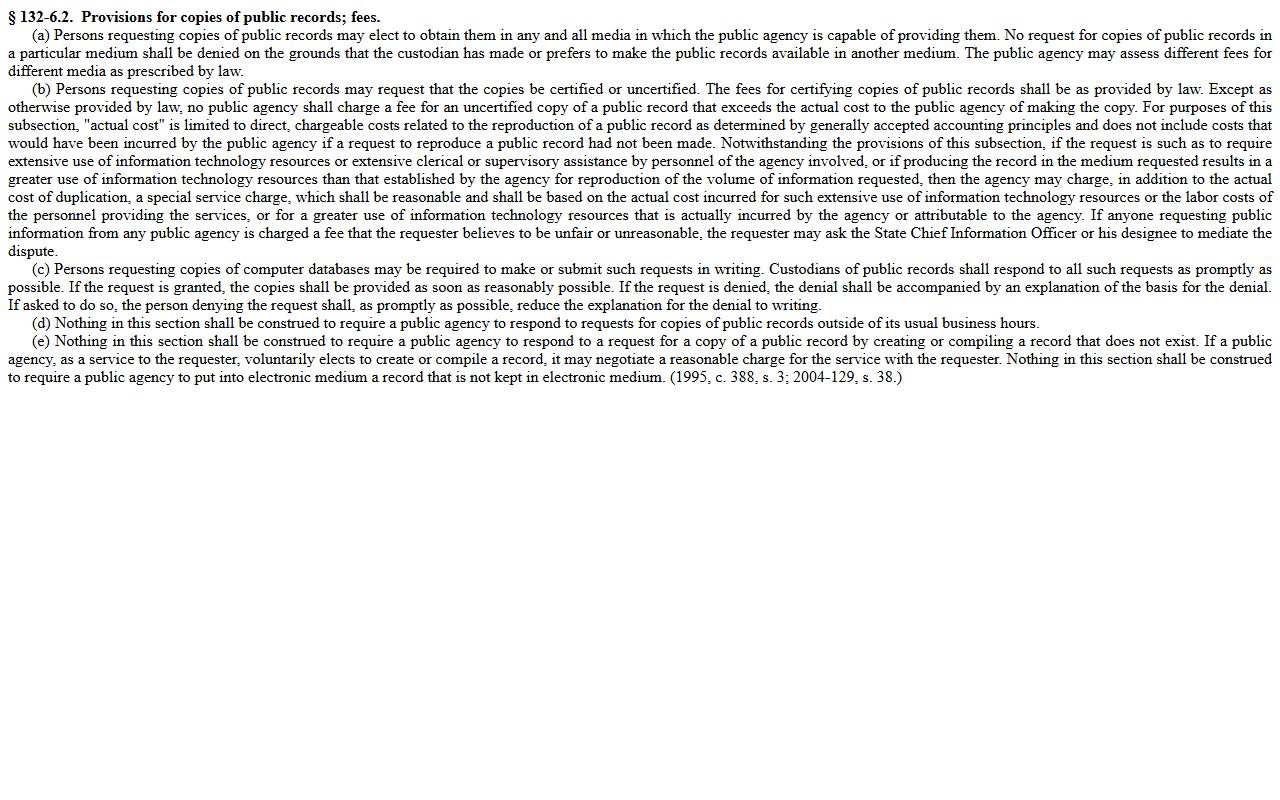
Use that rule when requesting existing public records, not as a demand for the Clerk to create a new estate summary.
The manifest source is the NC DPS juvenile records page because some protective matters are not routine public estate files.
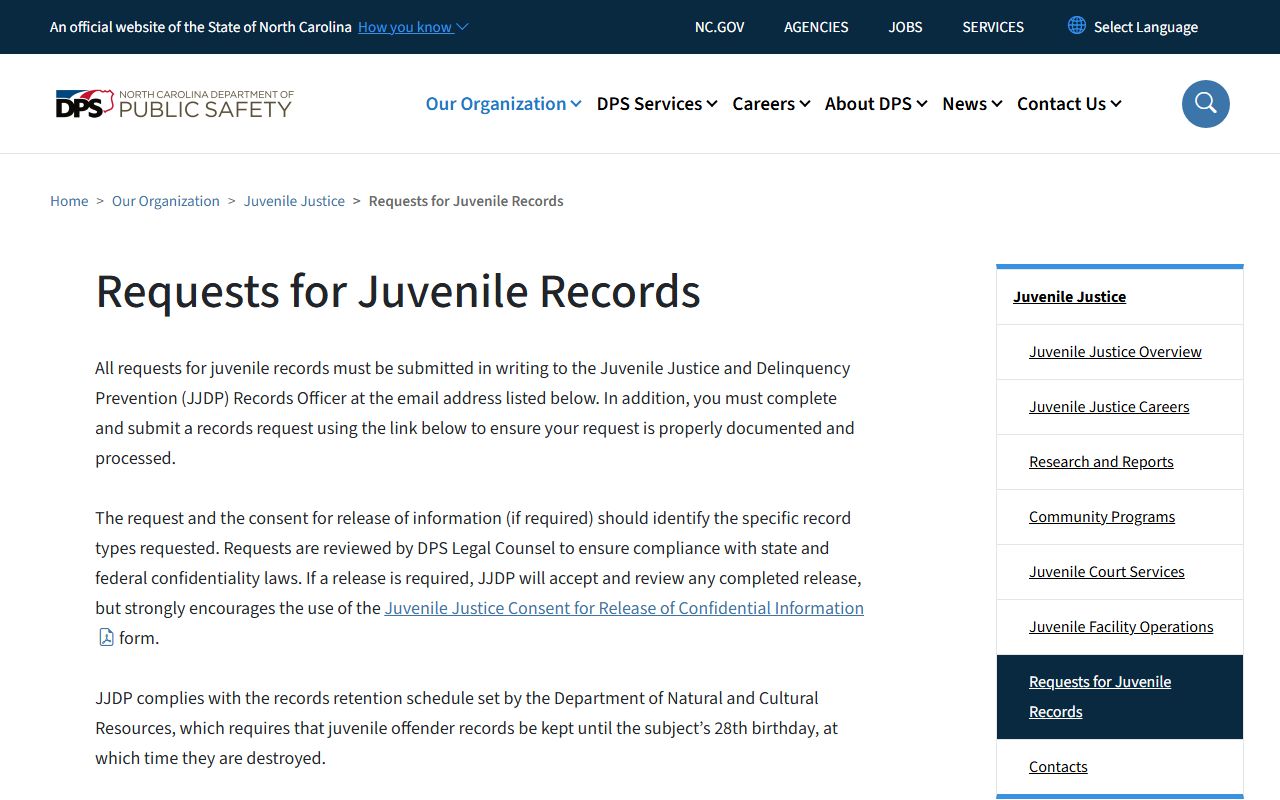
That restriction context is important for guardianship or juvenile-related materials that may sit near probate topics but are not open like filed wills.
Note: Probate assets and non-probate assets follow different paths, so a bank account or life insurance benefit may not appear in the estate file.